
The Rise of a Socialist Mayor
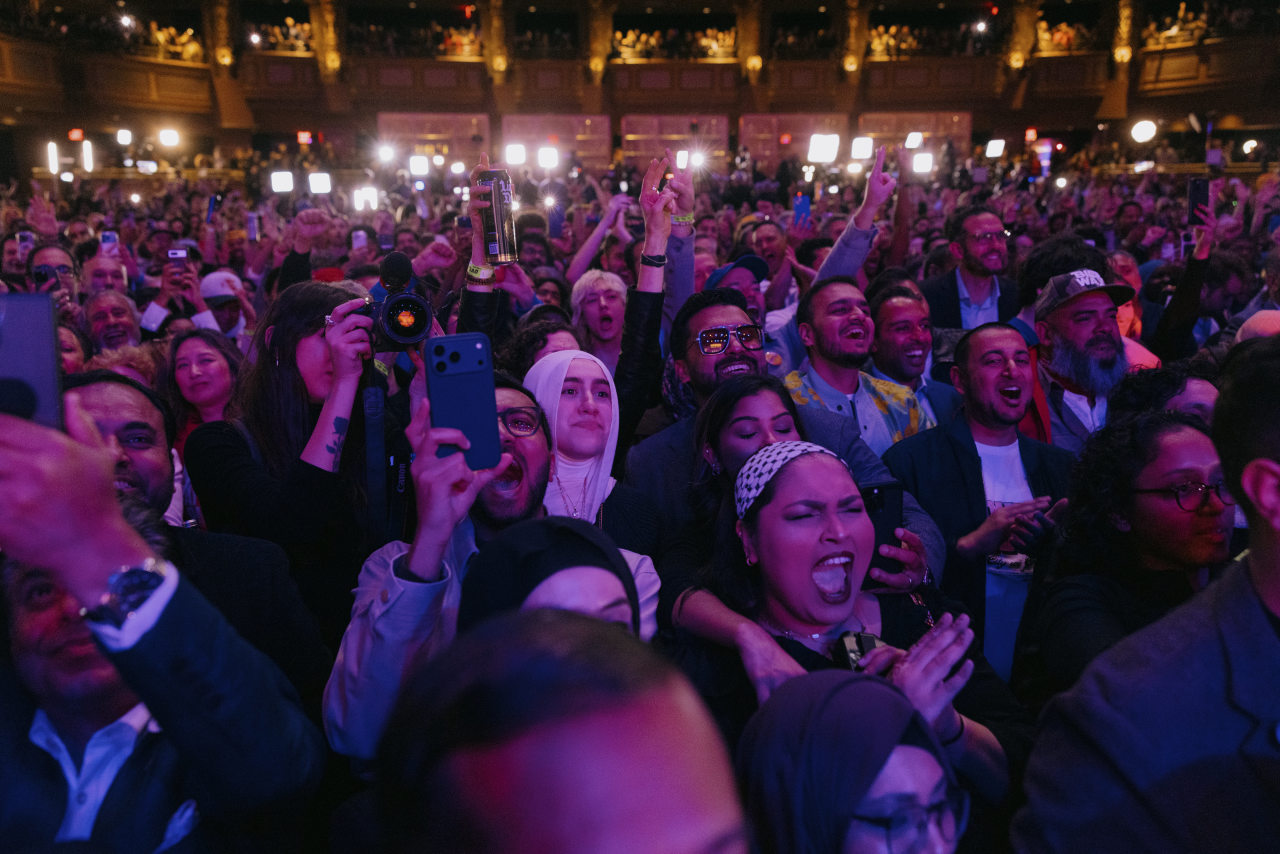
The Bohemian Hall & Beer Garden in Astoria, Queens, was packed with young socialists chanting and drinking. At 9:36 p.m., the atmosphere erupted. “Mamdani is my mayor! Mamdani is my mayor!” a young woman shouted repeatedly, as if confirming to herself that the improbable had become reality: A little-known, Uganda-born, Muslim state assemblyman and avowed socialist was elected New York City mayor.
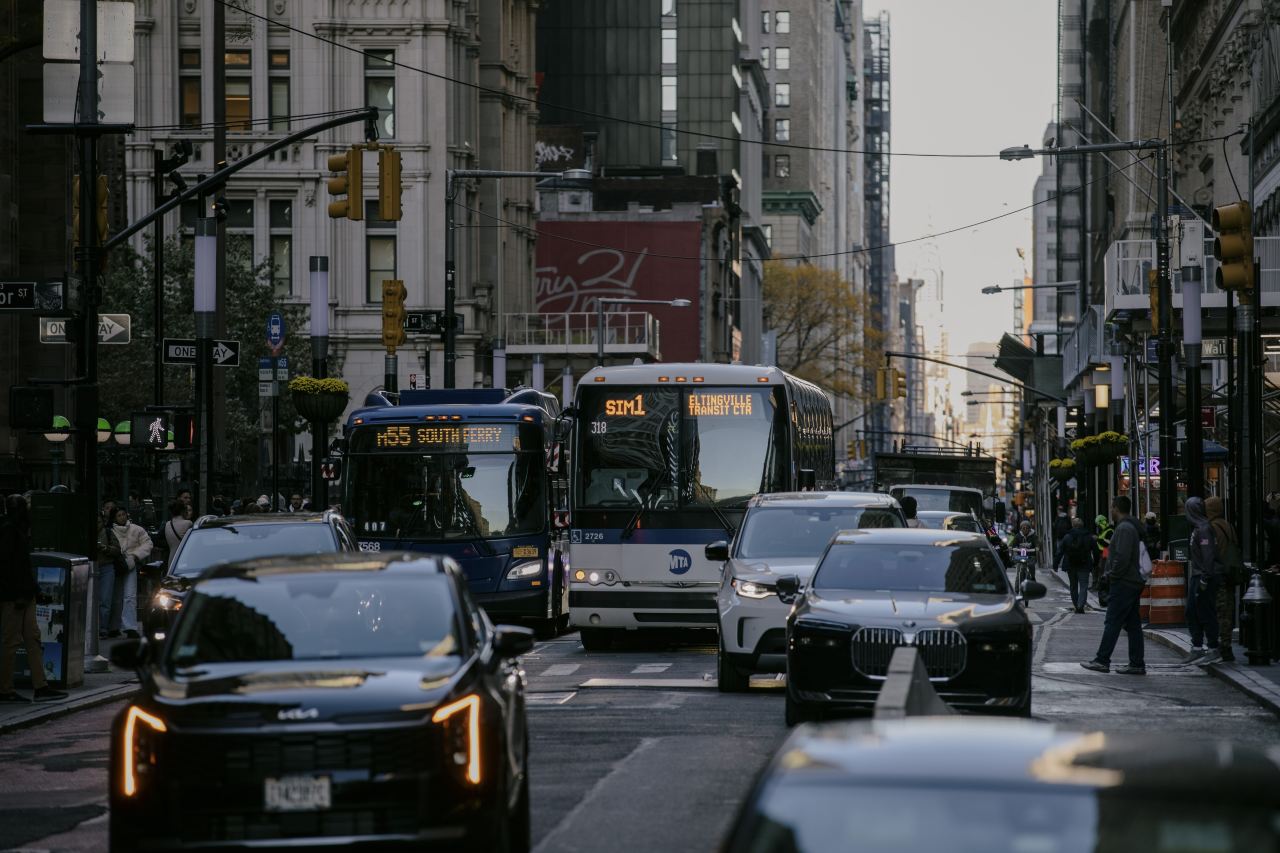
By daylight, the harsh reality confronting Zohran Mamdani after his fantastical rise was apparent. The 34-year-old, with scant managerial experience, will have to manage a famously ungovernable city in all of its vast complexity. He will be doing so shadowed by the lofty expectations of his progressive supporters, who have been promised free buses and child care and an affordable city where the working class—not the financial elite—come first.
And then there is President Trump, who has made no secret of his desire to brutalize Mamdani’s New York for its leftist leanings and use it as a foil ahead of next year’s midterm elections. “If Communist Candidate Zohran Mamdani wins the Election for Mayor of New York City, it is highly unlikely that I will be contributing Federal Funds, other than the very minimum as required, to my beloved first home,” he posted on Truth Social on election eve.
That may be just the start. City elders fear a worst-case scenario in which stepped-up raids in New York City by Immigration and Customs Enforcement agents instigate unruly protests which Trump, in turn, responds to by deploying the National Guard, as he has in Chicago and Los Angeles. Imagine Fifth Avenue, one noted, patrolled by military vehicles.
“New York City is facing potential Armageddon,” said Doug Schoen, a former political adviser to the Clintons who has since become a regular on Fox News. “[Mamdani’s] base wants largely unattainable goals, Trump has threatened credibly to cut off assistance to the city and the problems now—both budgetary and in law enforcement—are becoming as serious and intractable as they were in the 1970s.”
Pessimists recalled the last time New Yorkers swooned over a charismatic mayoral candidate who inspired the young and promised a new era: John Lindsay. He took office in 1966 and left the city with piles of uncollected garbage and a fiscal mess.
Ana Maria Archila, co-director of the New York Working Families Party, which bestowed a vital endorsement on Mamdani during the primary, dismissed such gloom as the caterwauling of an elite who have been stripped of the keys to the city. “Some of that fear is about not being the drivers of the vision for the future of the city,” she said.
New York, she said, was more likely to be undone by “an aggressive Trump administration wreaking havoc on our streets…not because of fast and free buses.”
A Crazy Idea
On Tuesday night, in central Brooklyn and Astoria, where Mamdani’s rapturous supporters congregated, all that seemed remote. “It was a crazy idea, but look where we are now!” the MC of a party thrown by the Democratic Socialists of America, Mamdani’s political home, shouted to the crowd. The image of a beaming Mamdani beside his young Syrian-American wife, Rama Duwaji, already looked to some like a portrait of a new American era.
In a victory speech, the mayor-elect paid homage to Eugene Debs, the labor organizer and an American socialist party founder, and promised to serve those with “fingers bruised from lifting boxes on the warehouse floor” and their brethren. “Over the last 12 months you have dared to reach for something greater. Tonight, against all odds, we have grasped it,” Mamdani said, telling supporters: “We are breathing in the air of a city that has been reborn.”
The most raucous applause came when Mamdani addressed the president directly. “So Donald Trump, since I know you’re watching, I have four words for you: Turn the volume up!”
Mamdani managed to exceed—barely—the 50% threshold in a three-way field that his supporters believed would be essential to claim a mandate.
Epic Charm Offensive
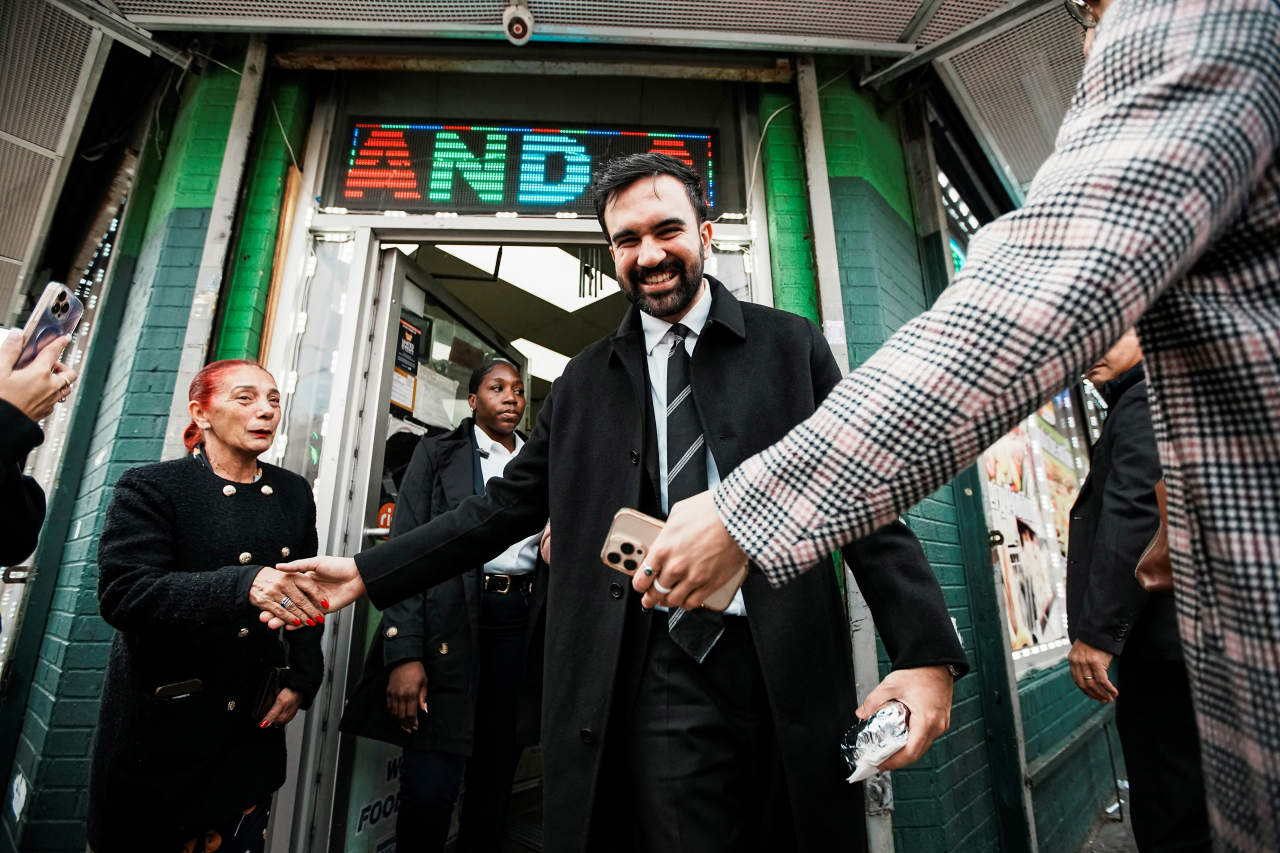
The Mamdani team began laying the groundwork for his mayoralty soon after his shock victory in June’s Democratic primary. In addition to celebrating his wedding in Uganda, he spent much of the summer meeting business and civic leaders outside his circle. Some introductions were made by Sally Susman, a longtime corporate executive and informal Mamdani adviser.
“I could tell the staff was wanting to be careful that it did not seem like he was changing lanes,” Susman said of fears among some committed progressives that Mamdani might ultimately betray them. “But he didn’t. He really has a way of holding to his values but doing it in a way that is not close-minded.”
The outreach was in marked contrast to another left-leaning mayor, Bill de Blasio, who shunned the city’s business titans when he succeeded Bloomberg in 2014—offending many in the process.
“He’s shown tremendous dexterity since the primary in mounting this epic charm offensive and defanging tour,” said Jonathan Rosen, who has advised Democratic politicians in New York and around the country and is chief executive of Orchestra, a communications firm.
The biggest mistake the new mayor could make in his early days, Rosen suggested, would be to defer to his base rather than trying to expand it. “Worrying about 20 people on his left carping on Twitter is not how he should be living,” Rosen said.
On a Friday in late August, Mamdani and one of his top aides, Morris Katz, paid a visit to Scott Rechler, the chief executive of RXR, one of the city’s biggest developers, and a board member of the Federal Reserve Bank of New York.
In Rechler’s office, high above Rockefeller Center, they spoke for about an hour. They didn’t delve into the details of city-run grocery stores or a rent freeze—two Mamdani proposals that have gobsmacked business leaders. But Mamdani appeared to listen as Rechler pressed his concerns about the need for safety and public order for the city to thrive, and the importance of having a mayor who is also a salesman.
“He clearly did his homework,” said David Garten, an RXR adviser, noting that Mamdani spoke of a varied cabinet that would be a “team of rivals.”
Yasser Salem, who ran a private investment firm and is leading a pro-Mamdani super PAC, said the same question would arise when he spoke to Wall Street and real-estate executives about the mayor-elect: “Is he going to appoint folks based on ideology or capability?”
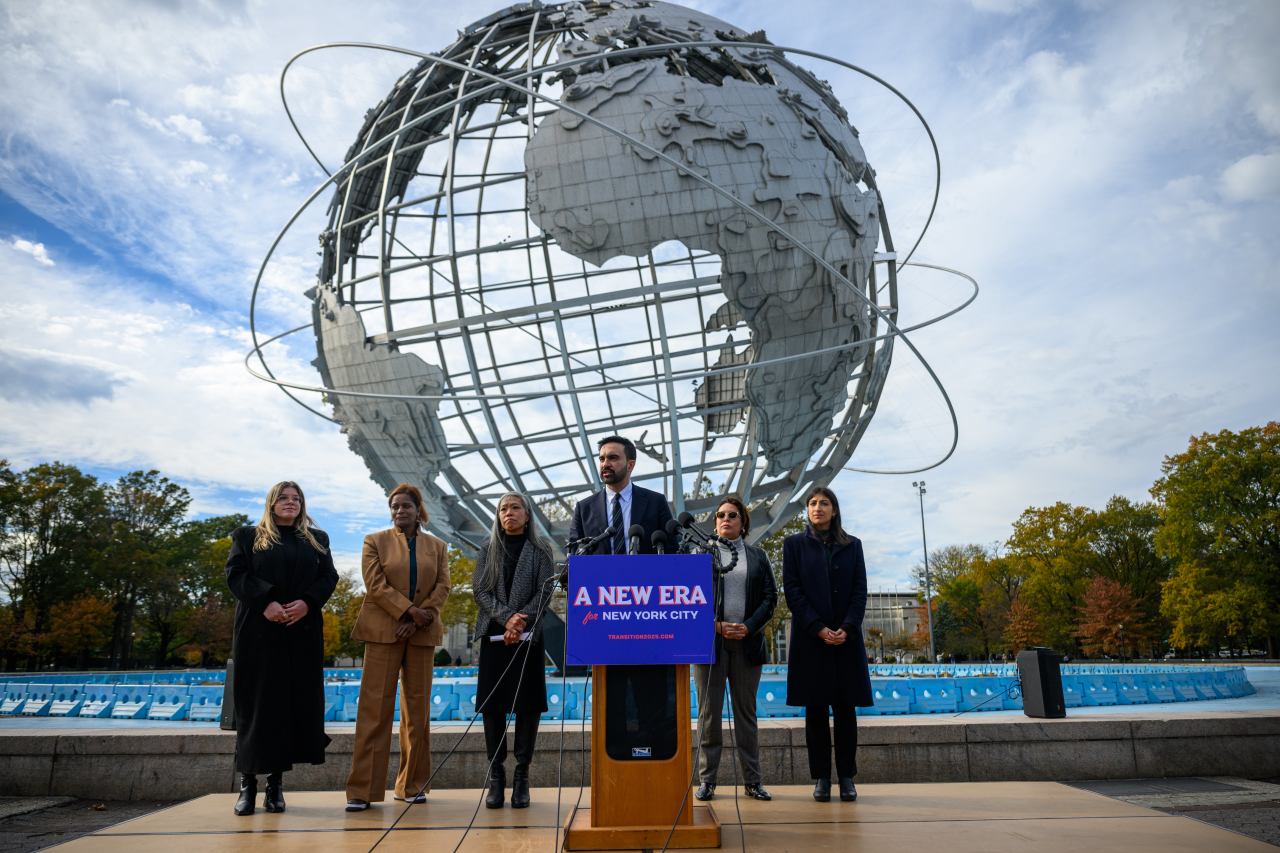
Mamdani on Wednesday morning unveiled a transition team led in part by Lina Khan, the Biden administration head of the Federal Trade Commission who is beloved by progressives. Other members are veterans from his three predecessors’ teams.
A Big Responsibility
In terms of his agenda, several people with ties to Mamdani said they believed he would prioritize free child care. As a candidate, he touted that benefit for New Yorkers from six weeks to five years of age, at an estimated cost of $6 billion.
It could come in gradual expansions to the universal prekindergarten that was de Blasio’s signature achievement—for example, one grade level at a time.
“What Zohran has been signaling is: What’s the bite-size step he can take to show meaningful progress here?” said Jasmine Gripper, a Working Families Party co-director.
While the New York City mayor enjoys an enviable soap box, much of the money depends on the state governor in Albany. Kathy Hochul, a moderate Democrat from Buffalo, endorsed Mamdani in September while fellow New Yorker Hakeem Jeffries, the Democrats’ leader in the House, was still noticeably wringing his hands.
But Hochul has said she won’t raise the state’s corporate tax to 11.5% or the city’s levy on wealthy residents, as Mamdani has requested. Still, his allies seem convinced that Hochul, who is up for election next year, may be persuaded.
“It’s New York,” said Gripper. “They find $300 million under a couch cushion.”
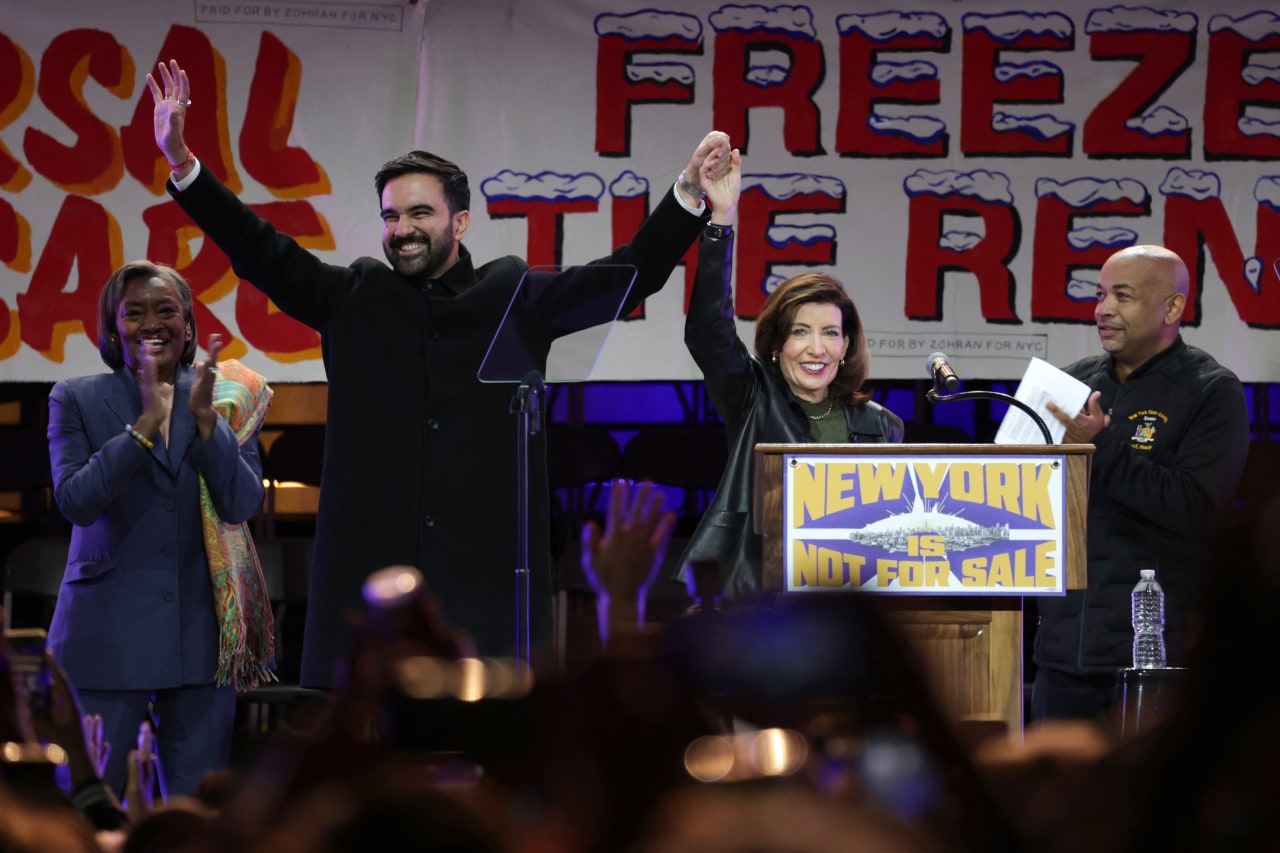
The army of progressive activists who elected Mamdani are already strategizing. Winning power isn’t enough, they insist. They must wield it. “The top priority will be for us to build an outside movement that can create the pressure and power necessary to implement his agenda,” said Gustavo Gordillo, co-chair of the DSA’s New York City branch. “We need to prove that socialists can run the largest city in the country and make life better for working-class people in a tangible way.”
As for Trump, there may be no easy way for a Mayor Mamdani to manage him. On the campaign trail, Mamdani repeatedly insisted he would use his platform to fight the president—not seek accommodation with him.
Some have suggested that Mamdani’s best option may be to enlist business contacts to prevail upon Trump that a ruined New York City would be bad for their interests, too. In a post on X on Tuesday night, Bill Ackman, one of Mamdani’s most prominent billionaire foes, seemed to put himself forward. “congrats on the win,” Ackman wrote. “Now you have a big responsibility. If I can help NYC, just let me know what I can do.”
Rechler also has much at stake. In May, his firm agreed to pay $1.1 billion for an officer tower on Madison Avenue. In a statement after Mamdani’s victory, he urged peace, saying: “We will also need leadership from Governor Kathy Hochul and President Donald Trump to ensure that New York City forever remains the greatest city in the world.”
At the beer garden in Queens, Arnold Kim, 64 and still recovering from a recent hip replacement, ambled from his nearby apartment to witness the youthful celebration first hand. “I don’t know what’s going to happen,” Kim said, leaning against a cane and grinning. “But something changed.”