
The Uncertain Path of U.S. Military Action in Venezuela
President Donald Trump has shown hesitation regarding the possibility of launching military action to remove Venezuelan President Nicolás Maduro from power, according to U.S. officials. This reluctance stems from concerns that such strikes might not be effective in forcing Maduro to step down. The ongoing discussions within the administration highlight the lack of a clear and unified strategy for dealing with Venezuela.
The situation has evolved from a counternarcotics campaign focused on airstrikes against drug-trafficking vessels into a more significant military buildup in the Caribbean. This shift reflects a broader aim to pressure or potentially oust Maduro. However, key questions remain unresolved, such as whether the goal is to remove Maduro entirely or simply to push him toward making concessions.
Trump continues to explore various military options with his advisors, which include intensifying economic pressure through sanctions and tariffs, as well as considering direct military action within Venezuela. Despite these discussions, the president appears satisfied with the current pace of military buildup in the region and ongoing operations targeting drug-smuggling vessels.
Recent actions have included the destruction of a vessel in the Eastern Pacific, resulting in the deaths of two alleged drug traffickers. During a speech in Miami, Trump claimed, “We’re blowing them up, linked to the Maduro regime in Venezuela and others.” There is no set timeline for deciding whether to escalate the campaign further.
Strategic Considerations and Legal Preparations
The Trump administration has presented three main options to increase pressure on Maduro. These include:
- Stepping up economic pressure through sanctions and increased tariffs on countries purchasing Venezuela’s oil
- Supporting the Venezuelan opposition while adding more U.S. military assets in the region
- Launching a campaign of airstrikes or covert operations targeting government and military facilities and personnel
The Justice Department is working on a legal justification for any potential military action against Maduro. While no official comments have been released, this development underscores the administration’s serious consideration of the matter.
The U.S. has labeled Maduro as a “narco-terrorist,” accusing him of leading a trafficking network that is flooding the United States with cocaine. In August, a $50 million reward was offered for information leading to the arrest or conviction of Maduro for narcotrafficking.
U.S. officials believe that the steps taken so far could prompt some members of Venezuela’s security elite to turn against Maduro and initiate his removal. The administration has maintained contact with the Venezuelan opposition, with opposition leader María Corina Machado stating, “Maduro has to understand that the hours are running out.”
Diverging Opinions and Political Dynamics
Some U.S. officials suggest that there is no need to force out Maduro if he agrees to curb drug trafficking, allow greater access to Venezuela’s oil reserves, and commit to holding fair elections. However, Senator Jim Risch (R, Idaho) has indicated that Maduro, who has conspired with U.S.-designated terrorist cartels, will face consequences.
Despite these statements, there is skepticism about the likelihood of actual military action. Representative Jim Himes (D., Conn.) expressed doubt about the administration’s readiness for military involvement in Latin America, noting that the press is more convinced of an impending attack than the administration itself.
Secretary of State Marco Rubio has played a central role in shaping the administration’s strategy against drug boats, and he recently briefed lawmakers on the plan. Trump has previously warned of possible attacks inside Venezuela, but his tone has softened in recent days.
Military Buildup and Regional Implications
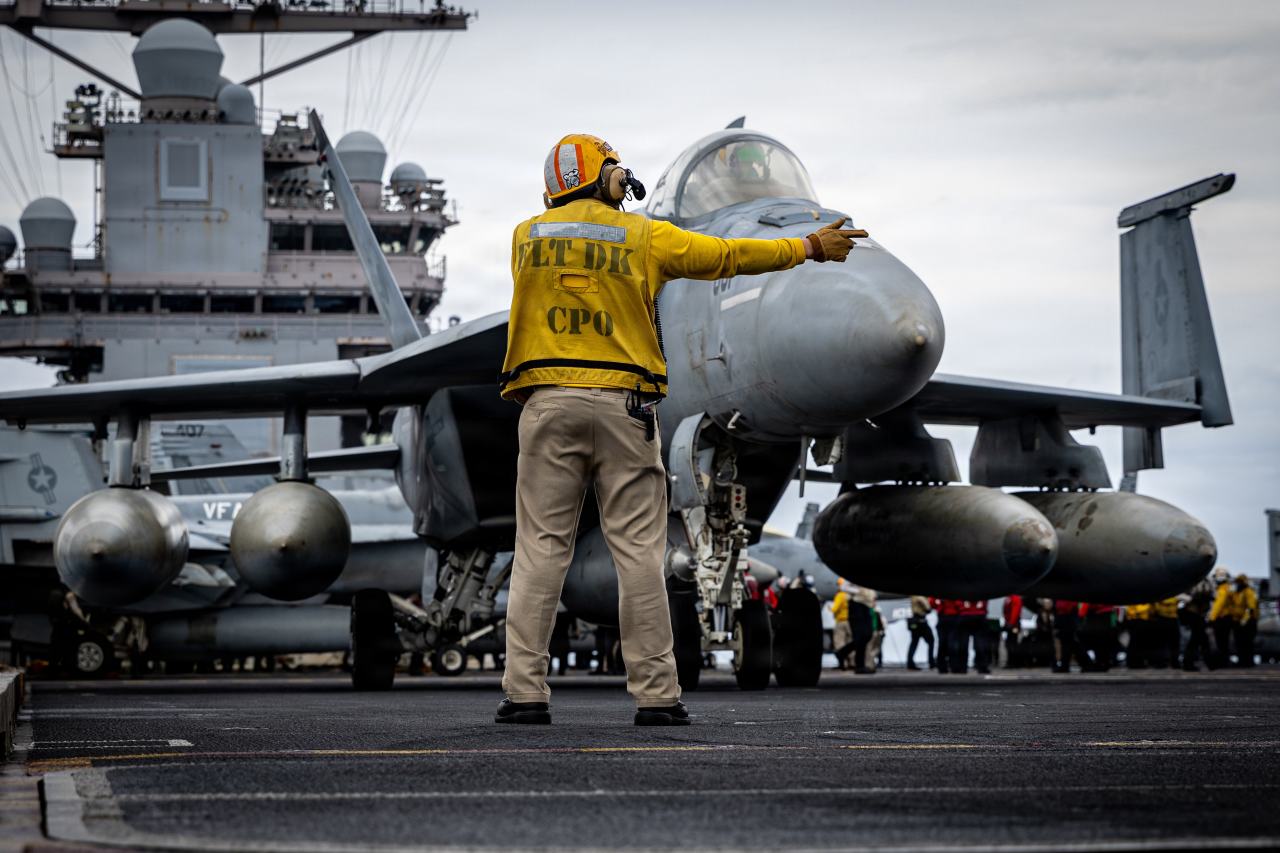
The Pentagon announced the deployment of the aircraft carrier USS Gerald R Ford and its strike group to the Caribbean, joining eight existing naval warships. This move significantly increases U.S. military presence in the region, providing additional firepower should Trump decide to authorize airstrikes.
The carrier’s slow journey across the Mediterranean has raised questions about its readiness for potential operations. Experts suggest that the slower pace may be due to training and maintenance requirements before entering a potential conflict zone.
Bryan Clark, a senior fellow at the Hudson Institute, noted that the deployment likely did not anticipate this scenario. He emphasized the importance of ensuring the carrier’s proficiency in the types of operations required in the Caribbean.
As the situation continues to evolve, the administration remains cautious about direct military involvement in Venezuela, balancing strategic goals with concerns about the risks of intervention.